

The plastic soup problem
Bijgewerkt op: 5 apr 2021
We founded our company Embracelet, because of the tarnished ocean that keeps getting more polluted every day. We saw those horrible pictures all over the internet and on the news, of all the plastic that ends up in the environment and that washes up on the beaches. This problem is called the plastic soup. The plastic soup is one of the world’s biggest environmental disasters.
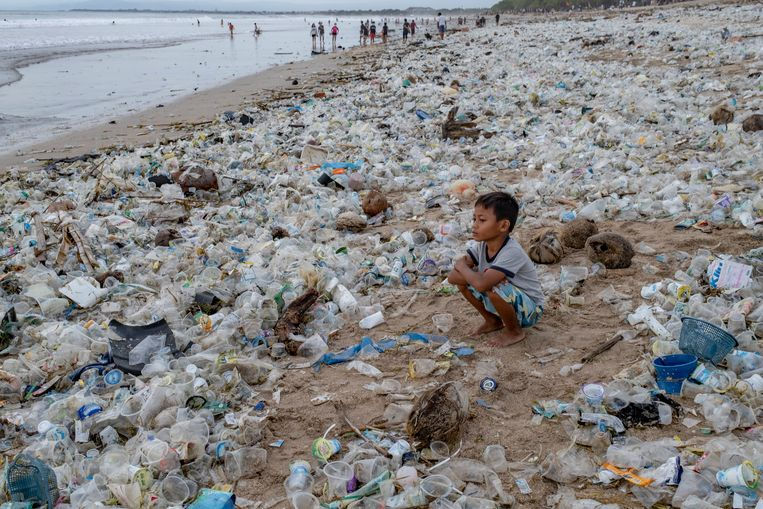
Where does the term plastic soup come from?
Since World War II is plastic very popular. It is very versatile and also very cheap to produce, no wonder it is so widely used. But once produced, it never disappears.
In 1997 Captain Charles Moore discovered the plastic soup. In the middle of the Pacific Ocean, he kept seeing pieces of plastic floating past his boat. He later returned to investigate further. Little did he know then that he had discovered one of the world's greatest environmental disasters. Not only large pieces of plastic were floating, but also a lot of broken pieces of plastic. Moore called this phenomenon the plastic soup, the term that is now being used worldwide.
Environmental Impacts
It is estimated that about three percent of all plastic produced each year leaks into the environment. Since World War II, 6.3 billion ton of plastic has become waste. Only 9% of that waste plastic was recycled. The remaining 79% ended up in landfills or the environment.
All the plastic in the environment is not only making the world very ugly, it is also very damaging. Ghost nets are one of the major culprits. Ghost nets are fishing nets made from plastic fibers, that fishermen dump in the sea. These ghost nets post a danger to sea creatures, birds, and other animals. They get caught and get injured or perish.
Besides, another big part of the problem is the fact that large pieces of plastic become brittle and gradually break down into smaller and smaller plastic particles due to weather conditions. A part sinks to the bottom, another part floats in the water column and there is also a part that floats for a while.

Health consequences
These pieces are getting smaller and smaller, but they will never disappear. The concentration of plastic and especially microplastics is therefore increasing. Unfortunately, these nano plastics can spread throughout the body and possibly even reach organs and brains. We also know that the concentration of small particles in the environment is only increasing, and possibly also in the human body. There is no escape and we must hope that the short and long term consequences will be better than expected. The only way to reduce and prevent plastic pollution is to use a lot less plastic.
Contribution of Embracelet
As you can see, the plastic soup is one of the biggest problems in the world and only will have more and more consequences in the future. We as Embracelet want to raise more awareness for this problem, because it is very worrying. Therefore we use 100% recycled PET for the cord and donate 10% of our profit to the Ocean CleanUp.


Opmerkingen